 Give
Give
 Prayer
 Call Us
 Know Jesus

Revelation 3:18 Therefore I counsel you to purchase from Me gold refined and tested by fire, that you may be [truly] wealthy, and white clothes to clothe you and to keep the shame of your nudity from being seen, and salve to put on your eyes, that you may see.
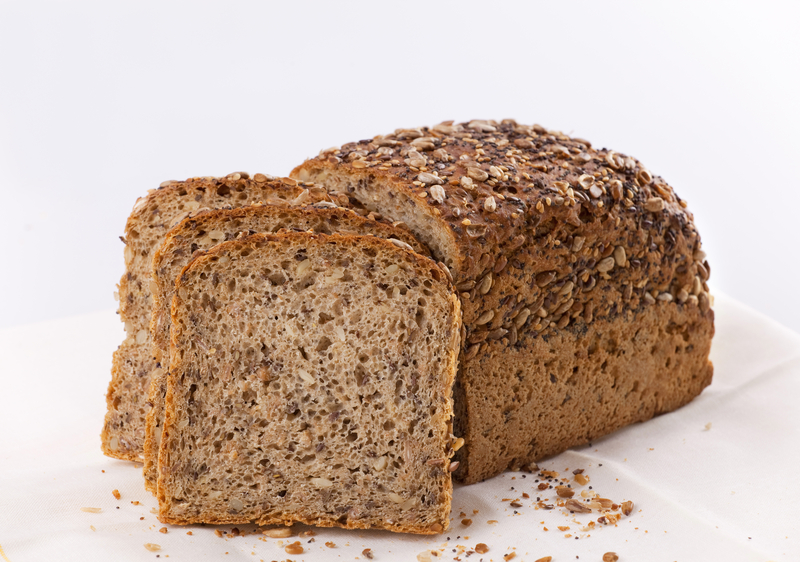
Today is the twelfth day of counting the omer or the measure of barley grain coming from the harvest. Question is, Are you harvesting the “grain” of His Word? Which raises another question, Why are there so many references to bread in the Bible? Jesus was born in Bethlehem, or the House of Bread. Jesus referred to Himself as the Bread of Life. When Jesus was led in the wilderness by the Spirit – following being filled with the Spirit (Luke 4:1) – He told Satan that man does not live on bread alone but by every word that proceeds out of the mouth of God. I can keep going but I believe you have gotten the point. Unbeknownst to most wealthy Westerners, bread, or some form of it is a basic commodity of life. Most of the World’s poor can’t afford to slaughter their chickens, cows or goats every day – but they can afford grain to grind into flour to make bread. Which is an interesting concept. As I mentioned in a previous post barley grain is ground into flour by the impoverished to make bread. Barley bread is inferior to bread made from wheat. Wheat then is known as the bread of the wealthy, or more financially stable. Why is all of this significant and how is it connected to the counting of the omer?
Revelation 3:18 is addressed to the wealthy, self-satisfied, “have no need” Laodiceans. One of the things Jesus counseled them to do was to purchase from Him “salve” to put on their eyes. How was that significant and relevant to the Laodiceans? The Greek word for eye salve is kollurion. Greek was the primary language spoken by the common, average, everyday person. That being understood the Laodiceans knew this word used by John contained a dual meaning. Kollurion could refer to the medicine produced in Laodicea used for treating various vision problems, or it could refer to a roll of bread. Thayer’s Greek-English Lexicon of the New Testament had this to say: The Greek term kolloúrion carries a fascinating dual meaning rooted in its physical form. The word derives from kollýra, which refers to coarse bread shaped like a cylinder. Jesus’ beatitudes commends those who are poor in spirit for theirs is the Kingdom of God.
How do we apply all of this to making the omer count? Only those who “see” their poverty of Spirit will recognize and hunger for the “bread” that not only feeds them – but heals the way they “see”. Are you poor in the things of the Spirit? Or are you so rich spiritually that you don’t need His Bread? Can you see Jesus? Can you hear His Voice? Can you recognize when He knocks? May I suggest paying the price to get alone with Him for Him to eat with you and you with Him? He really does prepare a table in the midst of your enemy. Are you hungry to hear His Voice? Hungry to see Him? Hungry to hear Him knocking?