
Happy Rosh Hashanah or Shanah Tovah!
Shanah Tovah in Hebrew translates to, “Good Year!” and is a common greeting for the Biblical New year. Referring to the Christian Women for Israel article its writer states: “…the Jewish world will step into the year 5786. In Hebrew, this year is written Tav–Shin–Peh–Vav(תשפ״ו). Each letter carries meaning: Tav is covenant and completion. Shin is fire and refining. Peh is the mouth and proclamation. Vav is the nail or hook that connects. Put together, they point to a year of truth spoken boldly, promises fulfilled, and heaven and earth joined by God’s hand.”…“The feasts of the Lord are not only markers of Jewish history but signposts of God’s covenant promises. Rosh Hashanah, the Feast of Trumpets, calls God’s people to repentance, awakening, and readiness. When that ram’s horn is sounded, heaven’s calendar turns a page. Should we not pay attention when God Himself declares a new season? This is the year of Vav. In the Bible, Vav is the small stroke that says “and.” It is the hook that held the Tabernacle together. It joins heaven to earth. In 5786 the Lord is joining what we prayed with what we see, what He spoke then with what He is doing now.“
When I read these words I am reminded of a powerful promise in Isaiah 43:18-19: Do not [earnestly] remember the former things; neither consider the things of old.19 Behold, I am doing a new thing! Now it springs forth; do you not perceive and know it and will you not give heed to it? I will even make a way in the wilderness and rivers in the desert. 5786 is the promise of a new beginning, a chapter break. What is a chapter break? A chapter break is a pause in a story, typically marked by a symbol like three asterisks, or a blank line, that signals a transition to a new section of the text. It serves to indicate a shift in time, location, or point of view, or simply to give the reader a moment to pause and reflect before continuing the narrative. Chapter breaks are a tool for controlling the story’s pacing, building suspense, and creating structural shifts like moving from one act to another in a narrative arc.
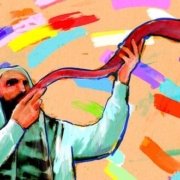
Rosh Hashanah means, Head of the Year, and is a two-day celebration of the creation of the world marking the beginning of the High Holy Days, a period of judgment and repentance leading up to Yom Kippur. Key traditions include blowing the shofar (ram’s horn) to awaken the soul, and eating apples dipped in honey for a sweet new year. Is this what the Apostle Paul had in mind when he wrote: Therefore He says, Awake, O sleeper, and arise from the dead, and Christ shall shine (make day dawn) upon you and give you light.15 Look carefully then how you walk! Live purposefully and worthily and accurately, not as the unwise and witless, but as wise (sensible, intelligent people),16 Making the very most of the time [buying up each opportunity], because the days are evil.17 Therefore do not be vague and thoughtless and foolish, but understanding and firmly grasping what the will of the Lord is.18 And do not get drunk with wine, for that is debauchery; but ever be filled and stimulated with the [Holy] Spirit. (Ephesians 5:14-18) The Famous Scottish Preacher of the Hebrides Island Revival of Lewis, Duncan Campbell, once stated: “Suddenly an awareness of God would take hold of a community, and, under pressure of this divine presence, men and women would fall prostrate on the ground, while their cry of distress was made the means of God’s hand, to awaken the indifferent who had sat unmoved for years under the preaching of the Gospel.” Awakening to an awareness of God do you hear the trumpet? How spiritually blind and deaf do you allow yourself to become to the One and only True, God – Who is everywhere? He is the Word! Implying He speaks. Are you awakening to the Sound of His Voice? Are you on fire, and rocketing forward?